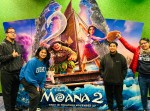
12.3.24
Disney’s Moana 2 continues its journey into the Pacific, once again presenting the richness of Pasifika culture to the world. This weekend, I went to watch it, joining countless others across Oceania and around the globe. The film is already breaking records at the box office, earning the biggest Thanksgiving week gross in cinema history. As a Polynesian and Tongan, I watched the film with both excitement and apprehension. The movie is not just entertainment; it holds cultural significance, especially as it brings our stories, traditions, and identities to a global audience.
One aspect that stood out was the portrayal of Māui. In Pasifika and Polynesian mythology, Māui is not merely a fictional character or a fun-loving trickster. Māui is a revered demigod who, in my culture, fished the Polynesian islands out of the ocean using his fishhook. These stories are not simply “mythology” in the dismissive sense often applied by outsiders; they are our cultural heritage, embodying values, wisdom, and identity passed down through generations. Moana, which means “ocean,” is more than a backdrop in these stories—it is central to our existence. The ocean connects our islands and our people; we are an extension of the moana.
I was struck by one reviewer’s criticism that Moana 2 was “too dark” and “scary” for children, based on her Christian perspective. Yet this same person praised the musical Wicked, a story steeped in themes of darkness, witches, and sorcery. What’s wrong with this picture? Such critiques reveal a troubling double standard, where the richness of Pasifika storytelling is dismissed while Western-centric narratives are embraced.
It’s understandable to feel apprehensive about an unfamiliar culture, but it’s not acceptable to label it as “scary” or “gross” without first seeking to understand it. Perhaps I’m projecting, as I typically research thoroughly before sharing an opinion publicly. Pasifika mythology existed long before Christianity arrived on our islands, and like every culture, we have creation stories that deserve respect and thoughtful engagement.
At its core, Moana 2 is a story of both literal and metaphorical voyages. Moana embarks on a journey filled with challenges, self-discovery, and growth, embracing her calling and her deep connection to her ancestors—the master navigators of the seas. Like any voyage, she cannot succeed alone. Moana learns the importance of relying on others, drawing on their diverse expertise and strengths to weather the storms.
This theme resonates deeply with Pasifika culture, which is inherently communal rather than individualistic. The voyage is not a solo endeavor but a shared experience. In Polynesian tradition, this sense of interconnectedness extends to the wisdom of our ancestors, whose guidance continues to illuminate our path, helping us navigate life’s uncertainties together.
The music didn’t resonate with me as the original. While using Polynesian stars like Dwayne Johnson and Auli’i Cravalho was appreciated, some music pieces could have benefited from a stronger connection to the Pasifika setting, aligning more closely with the cultural roots of the story. However, Moana 2 does excel in portraying the interconnectedness of people, nature, and culture. Moana’s journey highlights our reliance on community, respect for the ocean, and continuing connection to our ancestors.
Cultural appreciation and cultural appropriation often walk a fine line in films like this. While Disney makes strides in research and consultation, it’s vital for viewers—especially those unfamiliar with Pasifika cultures—to approach the film with humility and curiosity, not arrogance or ignorance.
As a pastor in the United Methodist Church, I view films like Moana 2 as opportunities for dialogue—between cultures, faiths, and generations. To my fellow Pasifika people: let’s hold space for both critique and appreciation, using this opportunity to affirm our talanoa or stories’ rightful place in the world. To others: may this film be a doorway to greater understanding and respect for the beauty and complexity of Polynesian culture.
Malō ‘aupito. ‘Ofa atu. Folau ā.
Sela Finau
 a journey in existence